Working alongside faculty
Our emergency department is divided into four pods, each staffed by one attending and one to two residents. From day one, you take ownership of your patients with close attending supervision and bedside teaching.
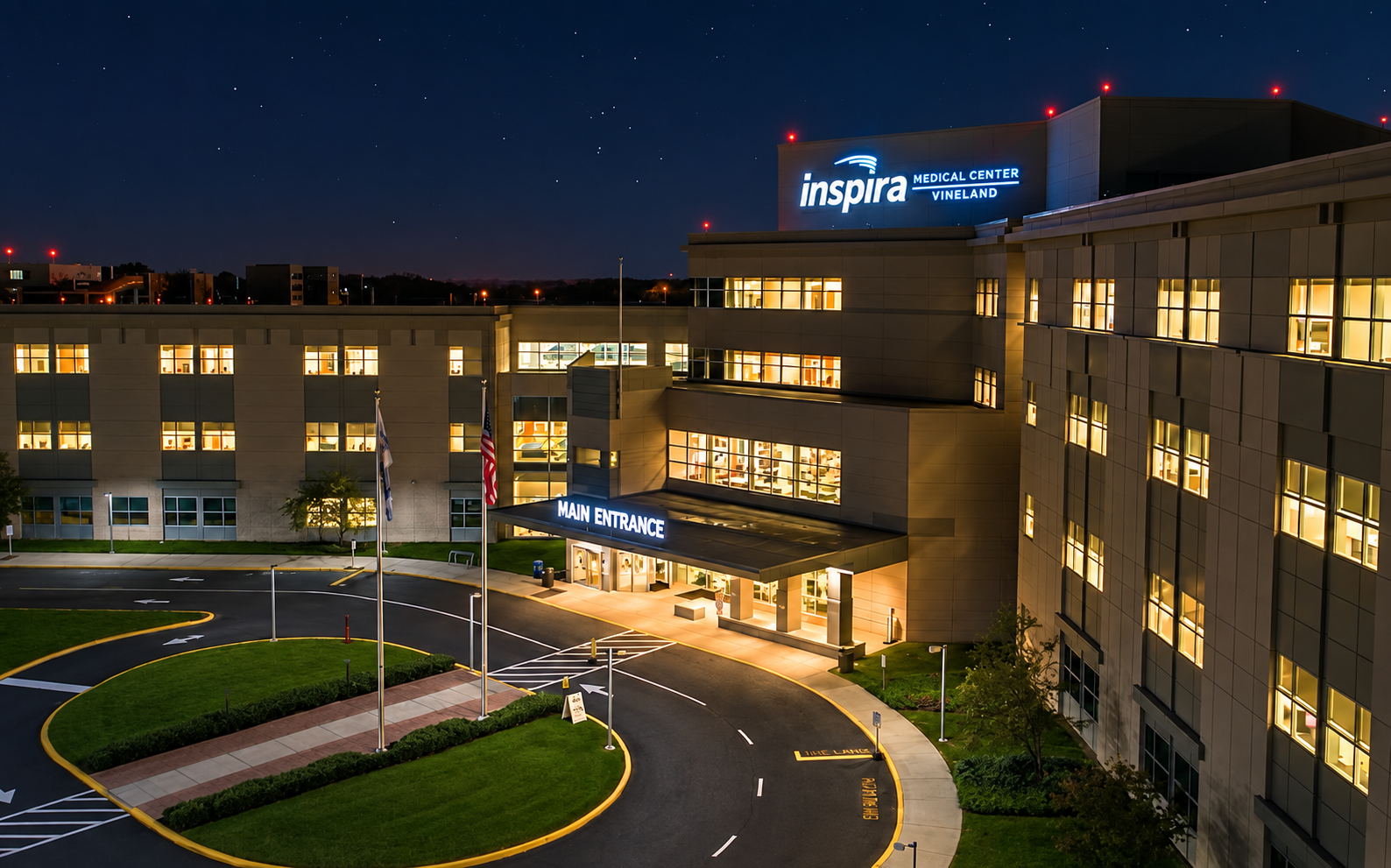
3-Year Emergency Medicine Residency Program
THE PROGRAM AT A GLANCE
Our program combines community emergency medicine with academic teaching. As a major hospital serving the surrounding counties, Vineland provides a high-volume setting where residents learn to lead the care of critically ill patients, manage trauma, and treat the full range of emergency presentations.
Our goal is to prepare you to practice confidently wherever you choose, from a tertiary academic center to a rural emergency department where you may be the only physician for miles.
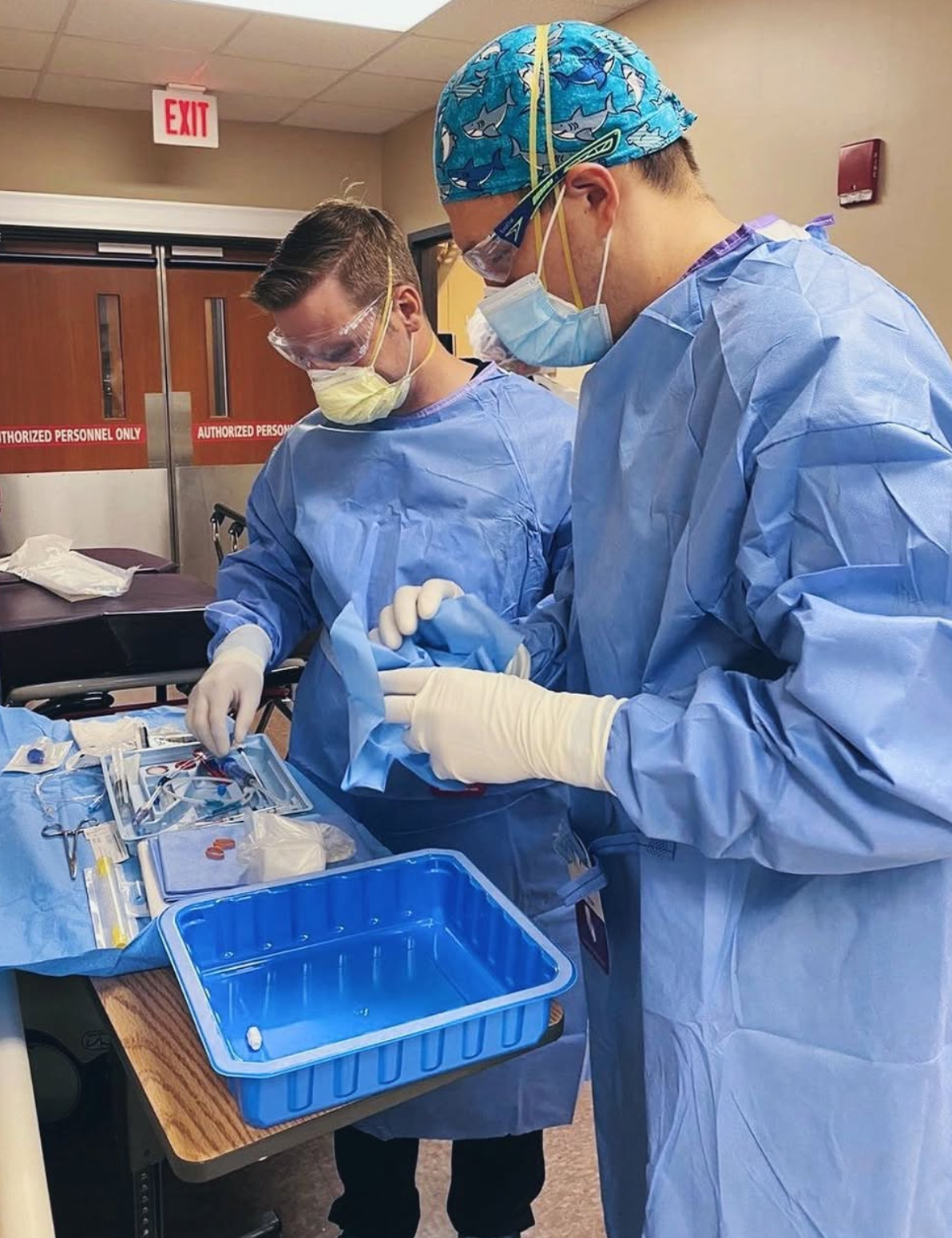
Our emergency department is divided into four pods, each staffed by one attending and one to two residents. From day one, you take ownership of your patients with close attending supervision and bedside teaching.
Your responsibility grows as you gain experience. By your third year, you’re learning to lead the department, supervise junior residents, and manage patient flow.
Each pod is staffed by one attending and one to two residents for the entire shift, with direct supervision, real-time feedback, and close coordination with the nursing team.
18 beds
1 Attending · 1 PGY3 · 1 PGY1
AB Pod is our main adult care area. You'll see a lot of chest pain, shortness of breath, abdominal pain, and other core EM presentations, with critical care cases mixed in to keep things interesting. Interns focus on getting reps and building their workflow. Seniors run their own patients, supervise the juniors, and learn to manage department flow.
19 beds
1 Attending · 2 Residents
(PGY-1 + PGY-3 or PGY-2 + PGY-2)
D Side is open from 11 AM to 11 PM and staffed by one attending and two residents. The case mix is similar to AB Pod, with core EM presentations and critical care cases mixed in. This is a great pod for junior residents to ramp up their volume while under close supervision from senior residents and attendings.
11 beds
1 Attending · 1 PGY2 or PGY3
Our newest pod. It has 11 beds and is staffed by one attending and a PGY2 or PGY3 resident. Patients here tend to be sicker and more complex, so this is where upper level residents get to sharpen their critical care skills and clinical decision making.
8 beds
1 Attending · 1 Resident (PGY-1, PGY-2, or PGY-3)
Our own dedicated pediatric ED provides longitudinal pediatric emergency medicine training throughout residency. It has 8 beds and is staffed by one resident and one attending. Residents care for children with presentations ranging from common illnesses to critical conditions requiring stabilization and transfer to tertiary centers.
Based at Vineland, with additional trauma and pediatric rotations at our partner sites.
Vineland, New Jersey · Primary training site. Residents build experience in adult and geriatric emergency medicine, manage high-acuity presentations, and care for children in our dedicated pediatric ED throughout residency.
Camden, New Jersey · One-month PGY-3 trauma rotation. Training at a Level I trauma center adds experience in trauma assessment, resuscitation, and care alongside a multidisciplinary trauma team.
Newark, Delaware · One-month PGY-2 trauma rotation. Residents train at an adult Level I trauma center, with a focus on trauma evaluation, resuscitation, and coordinated care for seriously injured patients.
Wilmington, Delaware · PGY-2 pediatric rotations. One month of pediatric emergency medicine and one month in the PICU broaden experience with acutely ill and critically ill children at a dedicated children's hospital.
Develop your workflow across emergency medicine, ultrasound, anesthesia, and critical care.
Build on your ED experience with pediatric critical care, trauma, EMS, and an elective.
Learn to supervise junior residents, and develop your approach to department flow.
THE PEOPLE
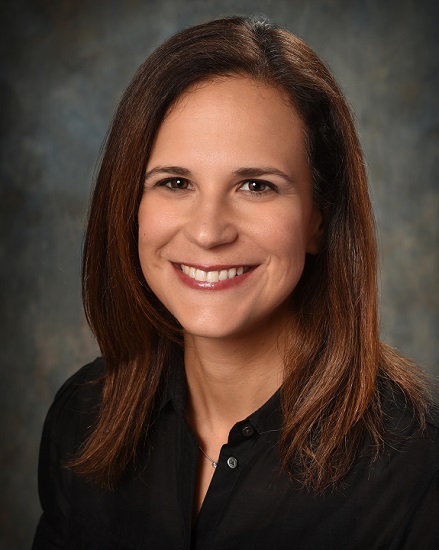
Program Director

Assistant Program Director
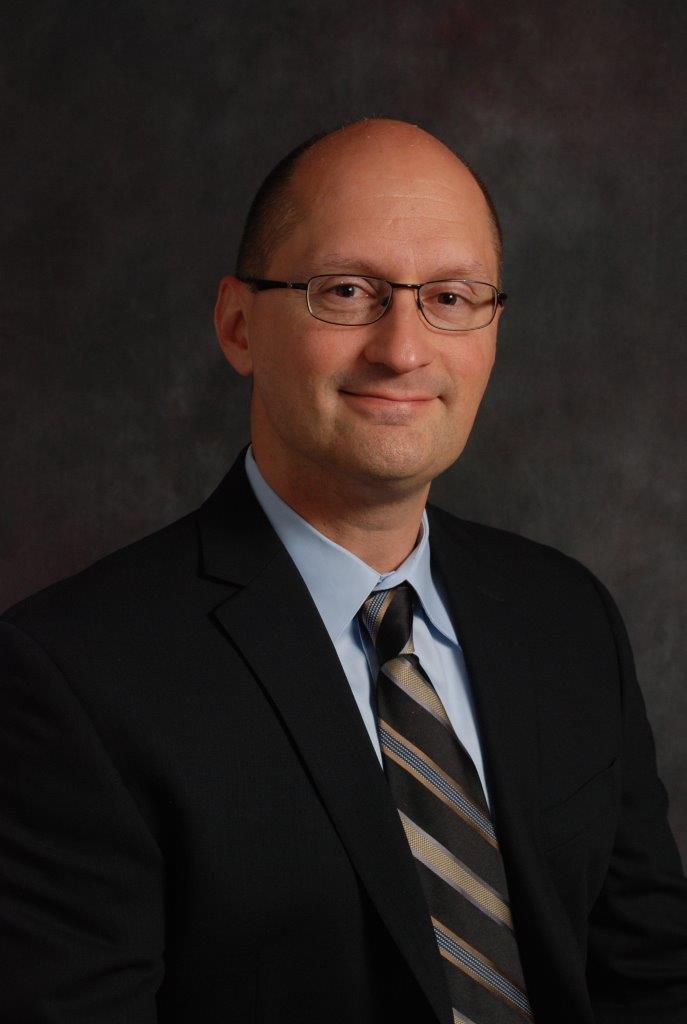
Assistant Program Director
THURSDAYS · 7 AM–12 PM · PROTECTED FROM CLINICAL DUTIES
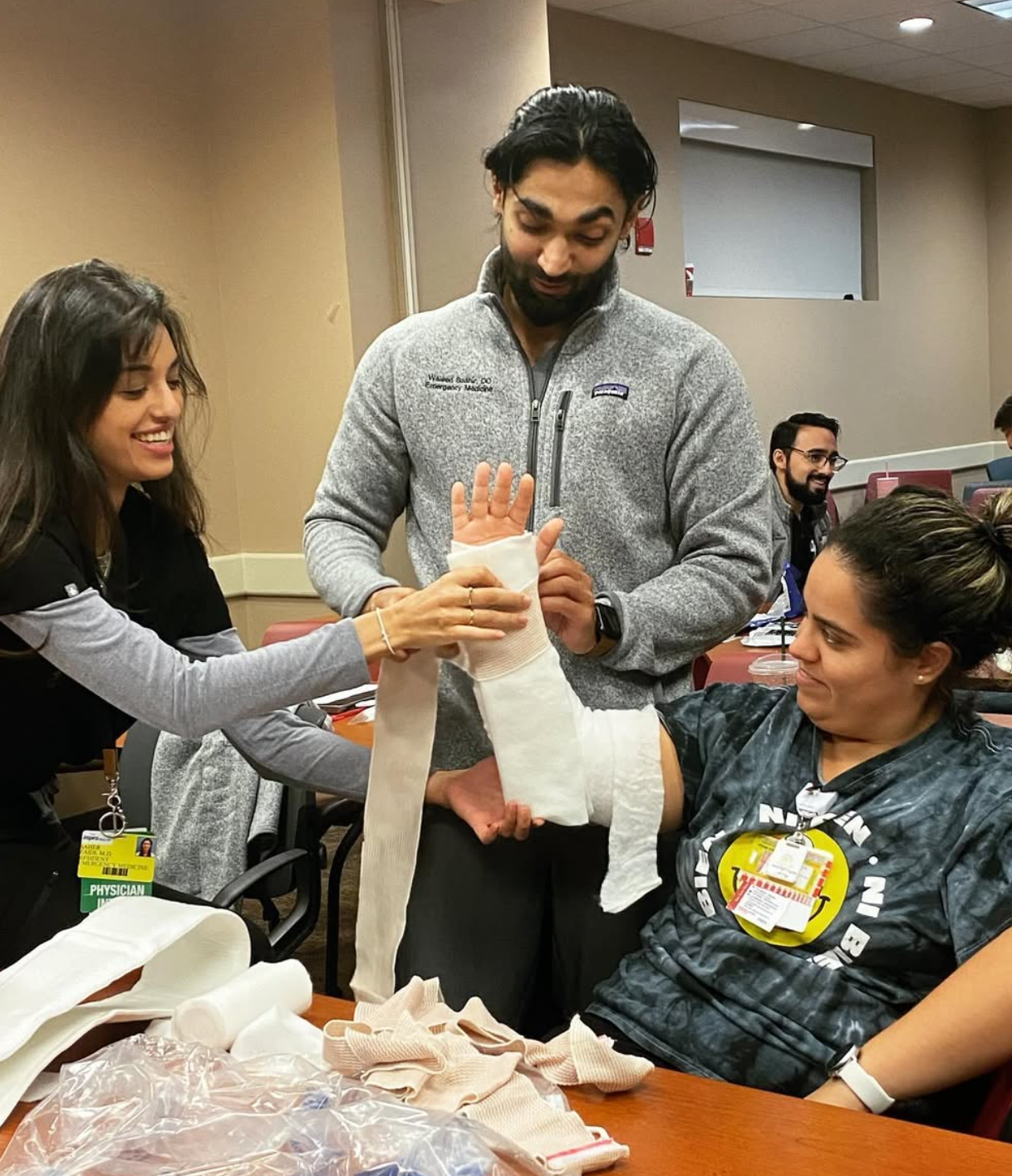
Conference includes faculty lectures, case-based learning in small groups, and simulation sessions one to two times a month. Dedicated ultrasound lectures follow the organ system being covered and reinforce what residents learn on shift.
Residents receive access to PEER, Rosh Review, and Hippo EM Education for independent study and board preparation.
The first month of residency includes an EM boot camp to help interns settle into the program. Dedicated lectures cover common emergency presentations and prepare new residents for their first shifts in the ED.
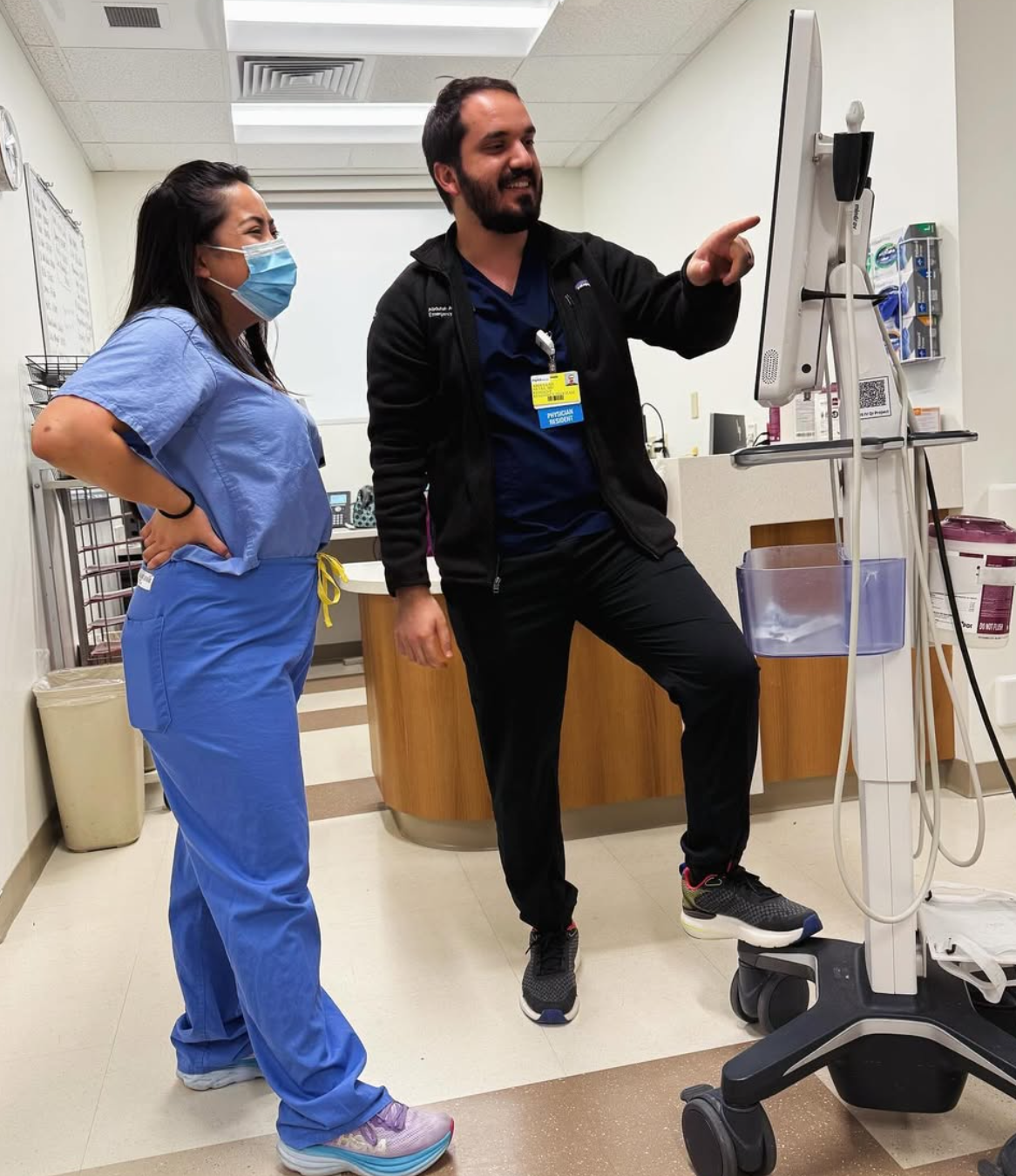
Residents complete dedicated ultrasound rotations during PGY-1 and PGY-3. During each rotation, ultrasound faculty provide scheduled image review and feedback to help residents improve their scanning technique and interpretation.
For residents interested in further ultrasound training, our faculty offer mentorship and guidance on pursuing that path.
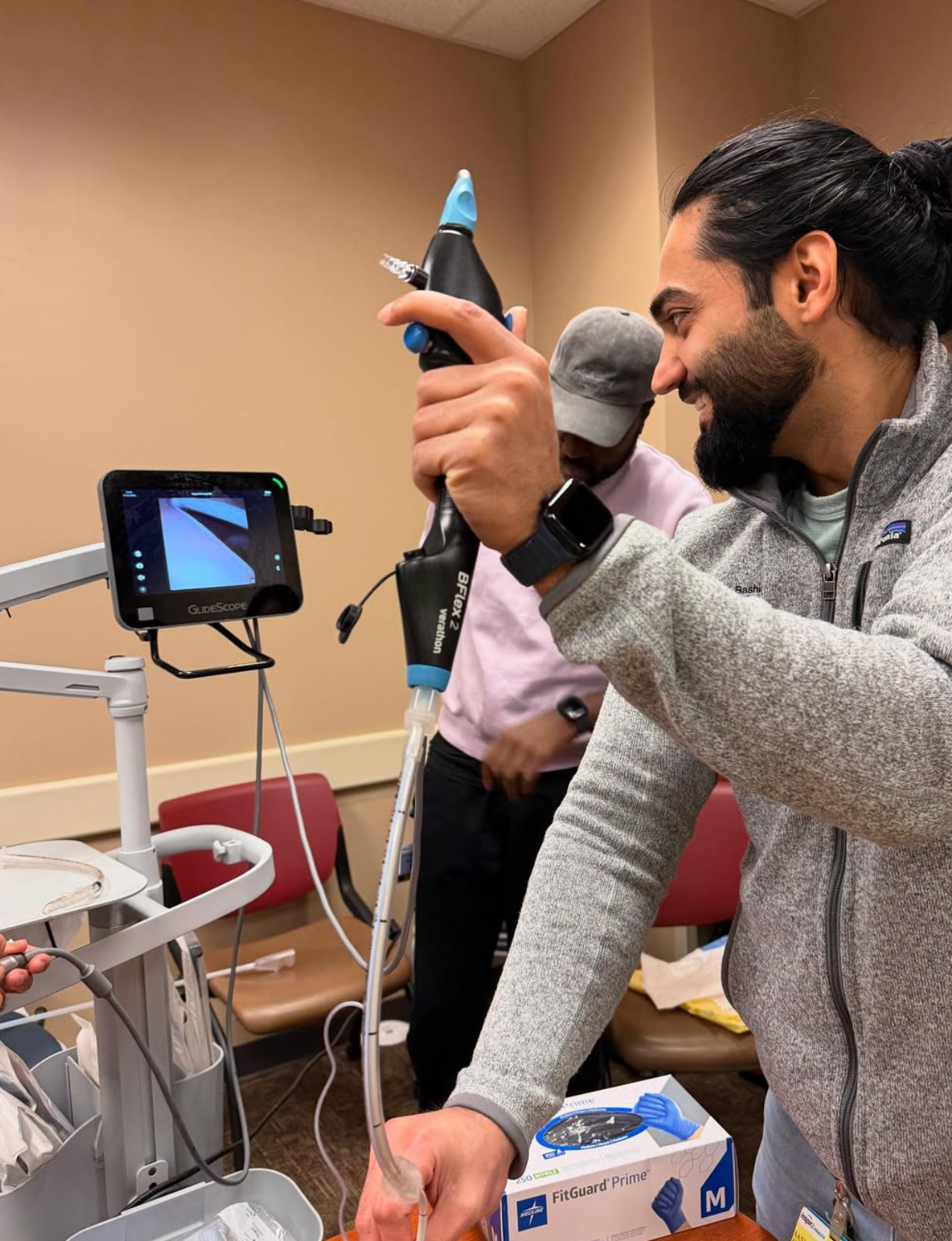
Simulation gives residents time to practice critical decisions, procedures, and teamwork outside the pressures of a clinical shift. Sessions take place one to two times a month as part of conference, with opportunities to work through emergency cases and practice hands-on skills.
Residents learn to assess the patient, prioritize treatment, communicate with the team, and take the lead as a case unfolds. Faculty feedback helps connect that practice to caring for patients in the ED.
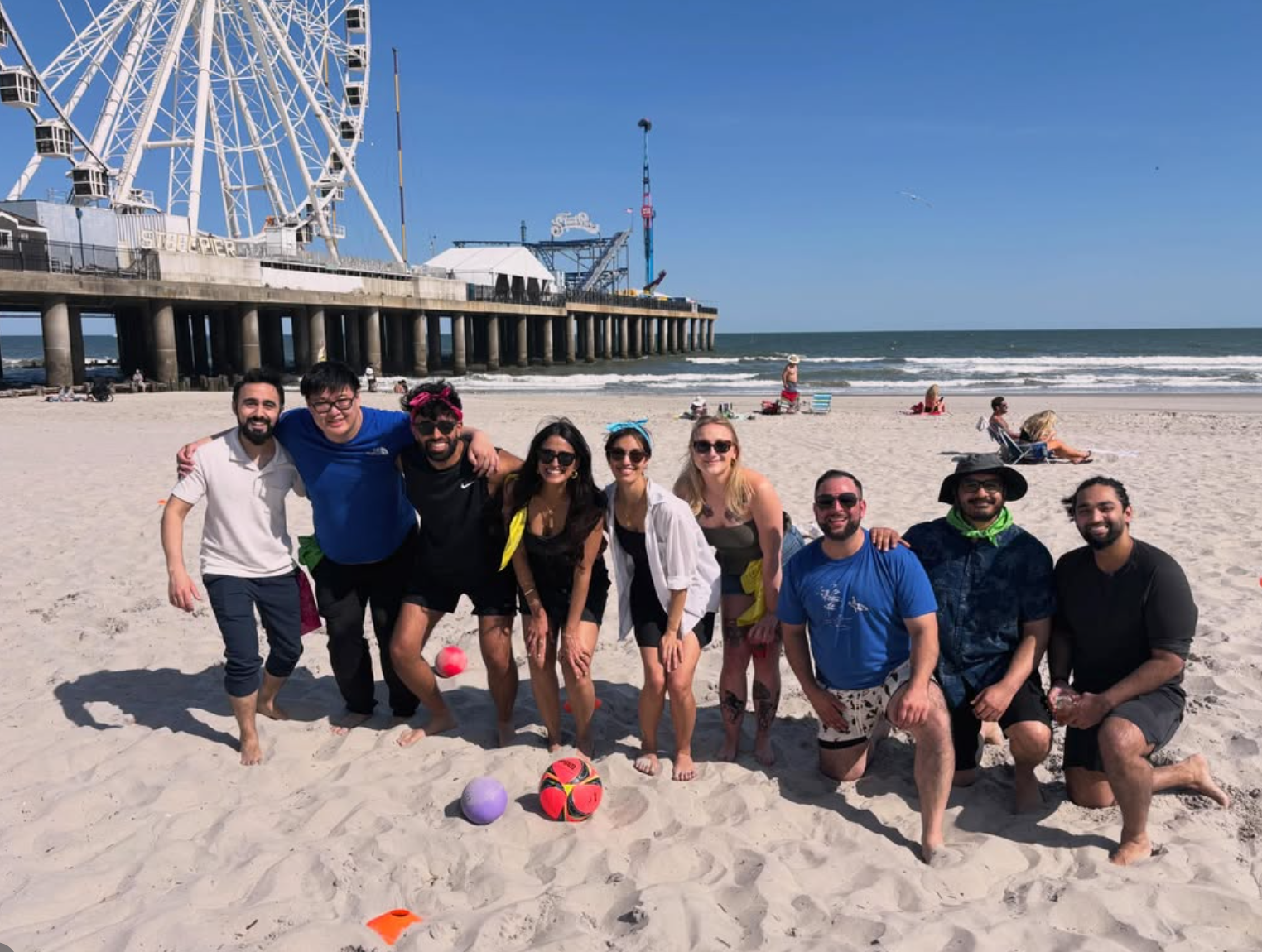
Each mentorship family includes a PGY-1, PGY-2, and PGY-3 resident alongside a faculty member, giving residents guidance and support throughout training. Dedicated retreats in the fall and spring make time to connect outside the hospital. Residency is demanding, and we’re committed to helping residents access the resources they need to feel supported and perform at their best.
Our rotation is open to third- and fourth-year medical students, with priority given to fourth-year students.
Shifts are split between our emergency department and two additional community sites, where students work directly with attendings. Students also attend conference with the residents and have dedicated medical student lectures.
There is no minimum USMLE or COMLEX score requirement.
Yes. Applicants from osteopathic medical schools may apply with COMLEX alone. USMLE is required only for applicants from allopathic medical schools.
Residents take ownership of their patients from day one, with close attending supervision and bedside teaching. Responsibility increases with experience. By PGY-3, residents are learning to lead the department, supervise junior residents, and manage patient flow.
Residents complete trauma rotations at Cooper and Christiana, and pediatric emergency medicine and PICU rotations at Nemours Children's Hospital, Delaware. In addition, our own dedicated pediatric ED at Vineland provides longitudinal pediatric emergency medicine experience throughout residency.
Conference takes place every Thursday from 7 AM to 12 PM and is protected from clinical duties. Sessions include faculty lectures, small-group case discussions, simulation, and ultrasound teaching.
PGY-1 residents begin with a month-long EM boot camp. Dedicated lectures cover common emergency presentations and help interns prepare for clinical work and settle into residency.
Residents have dedicated ultrasound rotations in PGY-1 and PGY-3, with scheduled scan review and feedback from ultrasound faculty. Simulation takes place one to two times per month during conference and includes emergency cases, procedures, and teamwork.
Residents receive access to PEER, Rosh Review, and Hippo EM Education for independent learning and board preparation.
Each mentorship family includes a PGY-1, PGY-2, and PGY-3 resident and a faculty member to provide guidance throughout residency.
Residents have dedicated retreats in the fall and spring, with time to connect outside the hospital.
Faculty provide mentorship for residents exploring further training, including ultrasound. Graduates have pursued fellowships in ultrasound, pain management, critical care, sports medicine, and EMS.
Visit the official Inspira Health website for additional program information, including how to apply, salary, and benefits.
Rotations are open to third- and fourth-year medical students, with priority given to fourth-year students.
Students work in our emergency department and two additional community sites with direct attending supervision. They attend conference with residents and have dedicated student lectures. Visit Rotate with Us to learn how to request a rotation.
Visit the official Inspira Health website for additional program information, including how to apply, salary, and benefits.
Residency information ↗